
Why Perfectionism Feels Worse with ADHD
How ADHD traits—emotional sensitivity, hyperfocus and rejection fear—fuel perfectionism and tactics to break the cycle.
How ADHD traits—emotional sensitivity, hyperfocus and rejection fear—fuel perfectionism and tactics to break the cycle.

Practical strategies, peer support, and structured accountability to boost focus, time management, and productivity for professionals with ADHD.

Low GABA links to inattention, impulsivity, and hyperactivity; approaches include GABA-supporting lifestyle changes and stimulant meds.

Simple gratitude practices boost dopamine and serotonin, improving motivation, focus, and emotional regulation in adults with ADHD.

Practical strategies—reframing, breathing, boundaries, mindfulness, and ADHD-informed coaching—to manage rejection sensitive dysphoria at work.

Five practical prioritization systems—Eisenhower, 1‑3‑5, Priority Pyramid, Pomodoro, Time Blocking—built to reduce ADHD overwhelm and improve focus.
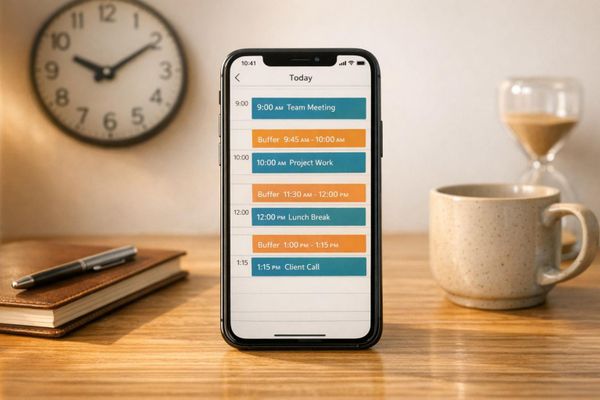
Use intentional schedule gaps to offset time blindness, ease transitions, manage hyperfocus, and meet deadlines more reliably.

Self-acceptance at work ends masking and turns ADHD traits into strengths through systems and accommodations.

ADHD-friendly tactics—Do Not Disturb, scheduled check-ins, catch‑all notes, timers, and workspace tweaks to reduce interruptions.

CBT, mindfulness, exercise and neurofeedback can improve ADHD long-term—skills-based approaches need consistent practice and stronger evidence.

ADHD traits fuel creativity and rapid problem-solving in teams; structured workflows and clear communication manage impulsivity and time-blindness.

Daily checklist for ADHD pros: master list, 3–5 priorities, time-blocking, remove distractions, and a quick evening review.
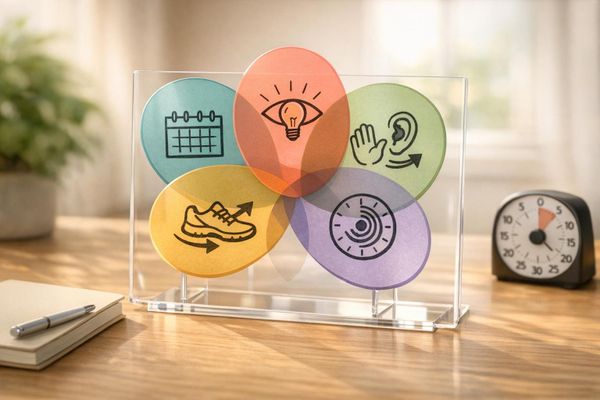
Evidence-based routines, visualization, multisensory learning, movement, and spaced recall to retain complex info with ADHD.

Learn when masking ADHD helps and when it harms — signs of burnout, selective masking strategies, and workplace adjustments.

Create a sensory-smart workspace—adjust lighting, seating, noise and sensory tools—to reduce overload and boost focus for adults with ADHD.
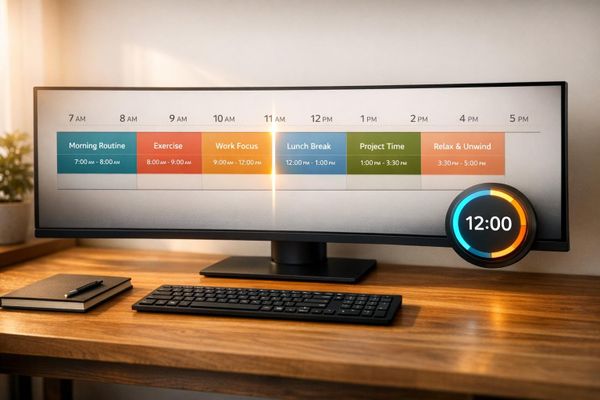
Visual timelines turn ADHD time blindness into concrete schedules, using color coding, timers, and time-blocking to reduce missed deadlines.

Practical tools, automation, and simple budgets to cut impulsive spending and simplify money management for adults with ADHD.

Manage ADHD information overload: simplify choices, break tasks into micro-steps, set routines, and cut digital distractions.
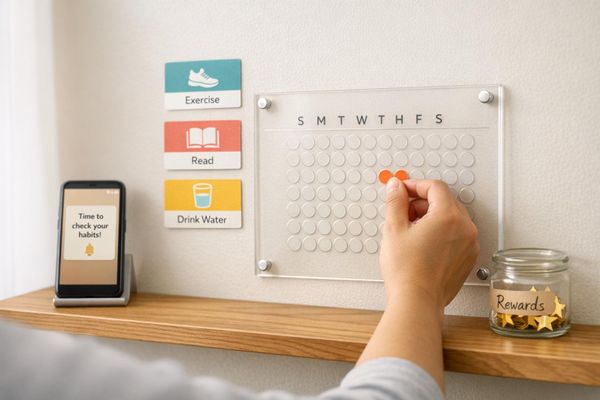
Practical ADHD habit tracking strategies: visible cues, micro-habits, forgiving systems, and rewards for lasting progress.

Quick grounding techniques, breathing, therapy options, and long-term habits to manage intense emotions and build resilience with ADHD.

ADHD reshapes time, motivation, and planning, so goal systems must match your brain—not force it.

Simple, ADHD-friendly tax strategies: automate expenses, weekly check-ins, a tax savings account, visual dashboards, and a tax pro.
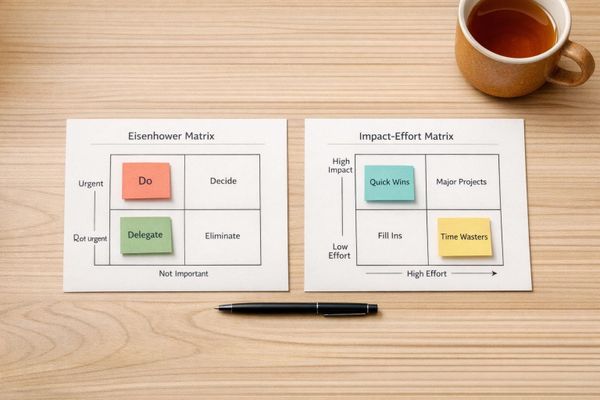
Use the Eisenhower and Impact-Effort matrices to prioritize tasks, match energy levels, and reduce ADHD overwhelm.

ADHD traits—divergent thinking, cognitive flexibility, and deliberate mind-wandering—boost creative problem-solving and workplace innovation.